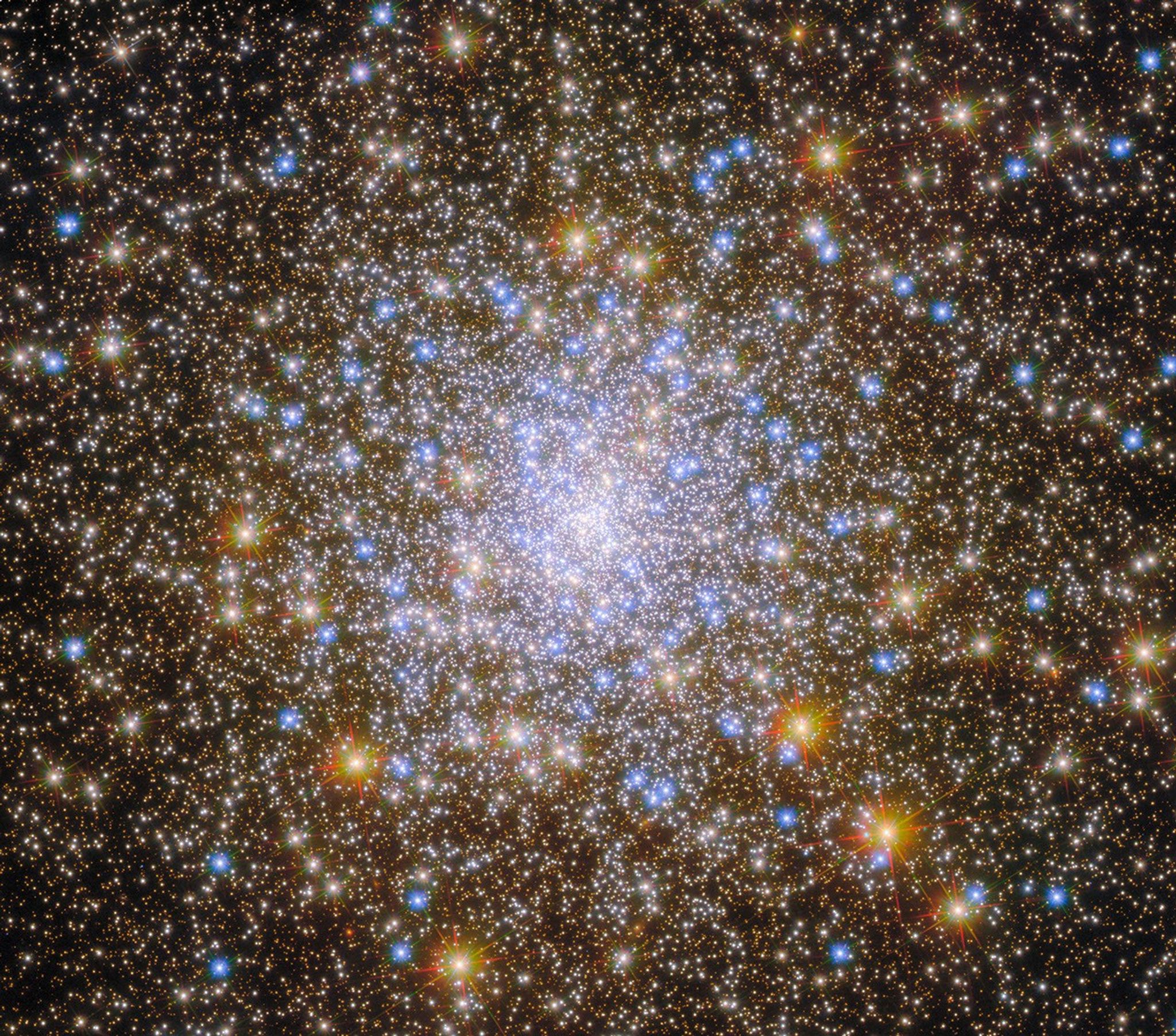
M30's Sparkling Stars
This NASA/ESA Hubble Space Telescope image features the globular star cluster called Messier 30 (M30), also called NGC 7099.
Ленты космоса и астрономии
This NASA/ESA Hubble Space Telescope image features the globular star cluster called Messier 30 (M30), also called NGC 7099.
This NASA/ESA Hubble Space Telescope image released Nov. 5, 2026, provides a lesson in galactic history. The sparkling collection of stars is named Messier 30 (M30) after the Frenc...
Supercomputing 2026 Join NASA in the Exhibit Hall (Booth #4038) for presentations by NASA experts. Full Tech Demo schedule below. TUESDAY, NOVEMBER 17 10:00 AMType-safe Templates i...
What the U.S. election means for space policy and NASA science, voting for the coolest space images, and updates on Society advocacy.
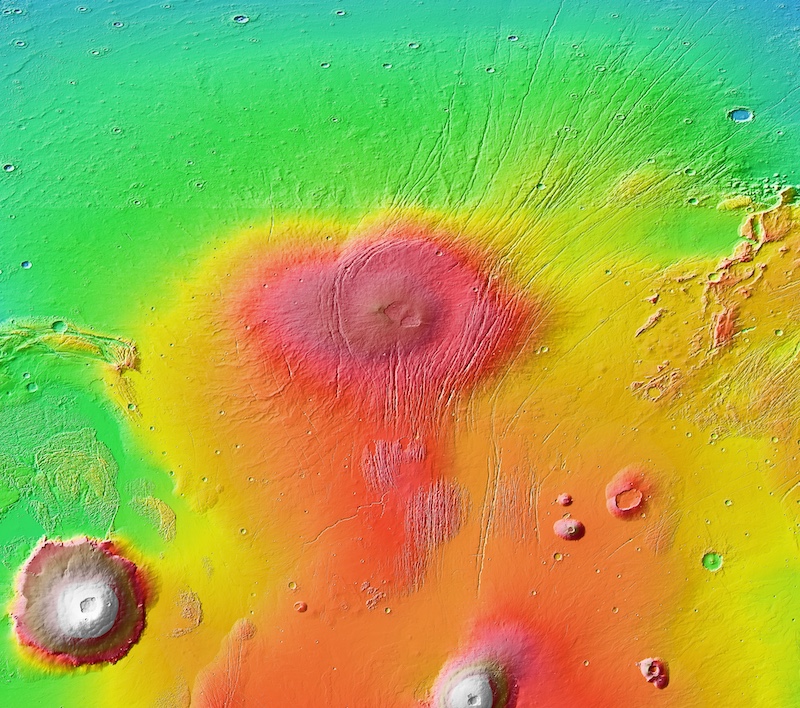
Are there still active volcanoes on Mars? New detections of hydrogen chloride from below the surface suggest flowing magma. The post Active volcanoes on Mars? Noxious gas discovery...
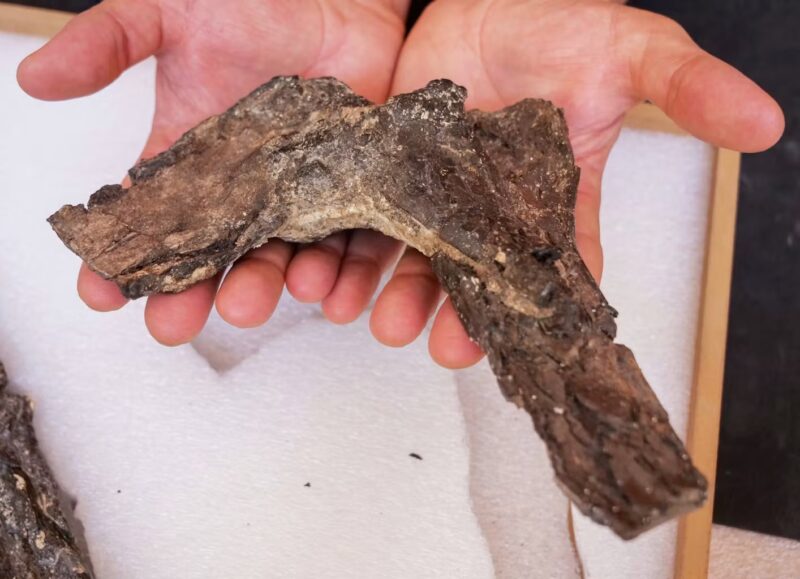
For the 1st time, scientists say they've found traces of dinosaur blood. It comes from a 115-million-year-old fossil dinosaur bone from Brazil. The post Traces of dinosaur blood fo...
Sun news November 6, 2026: Bam! Sunspot AR4566 fired an M3.5 flare and sent sun-stuff soaring into space. Is any heading to Earth? The post Sun news: Our star awakens with an M fla...
On November evenings, wintry Capella comes into balance with summery Vega. And low in Saturday's dawn, the hairline crescent Moon horns in on Venus and Spica. The post This Week's...
This year’s Leonids come with a bonus: a Mars-Jupiter close approach near the meteor shower’s radiant. Find out when and where to see shooting stars and the planetary duo.
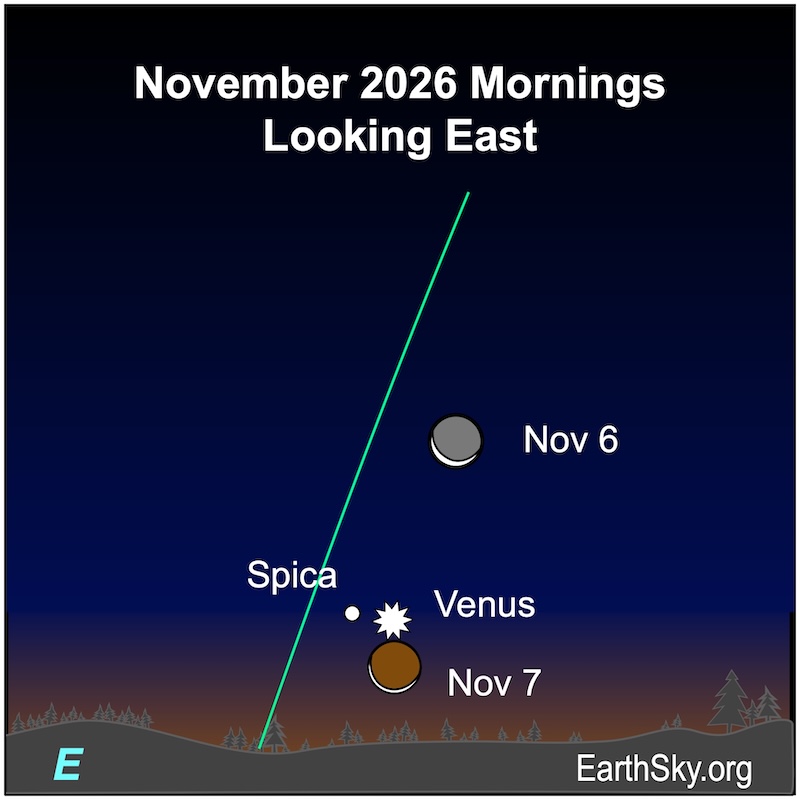
Visible planets and night sky guide. The slender waning moon meets Venus and the star Spica before sunrise tomorrow morning. Look low in the east as dawn breaks. The post Visible p...
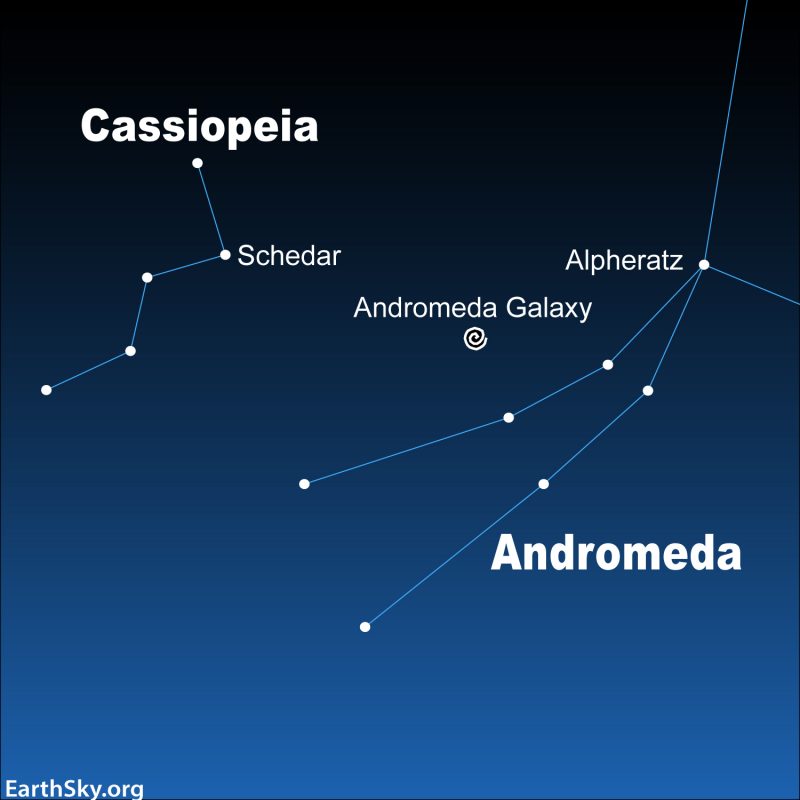
The constellation Andromeda the Chained Lady is most famous for containing M31, the Andromeda Galaxy, the closest large spiral galaxy to the Milky Way. The post The constellation A...
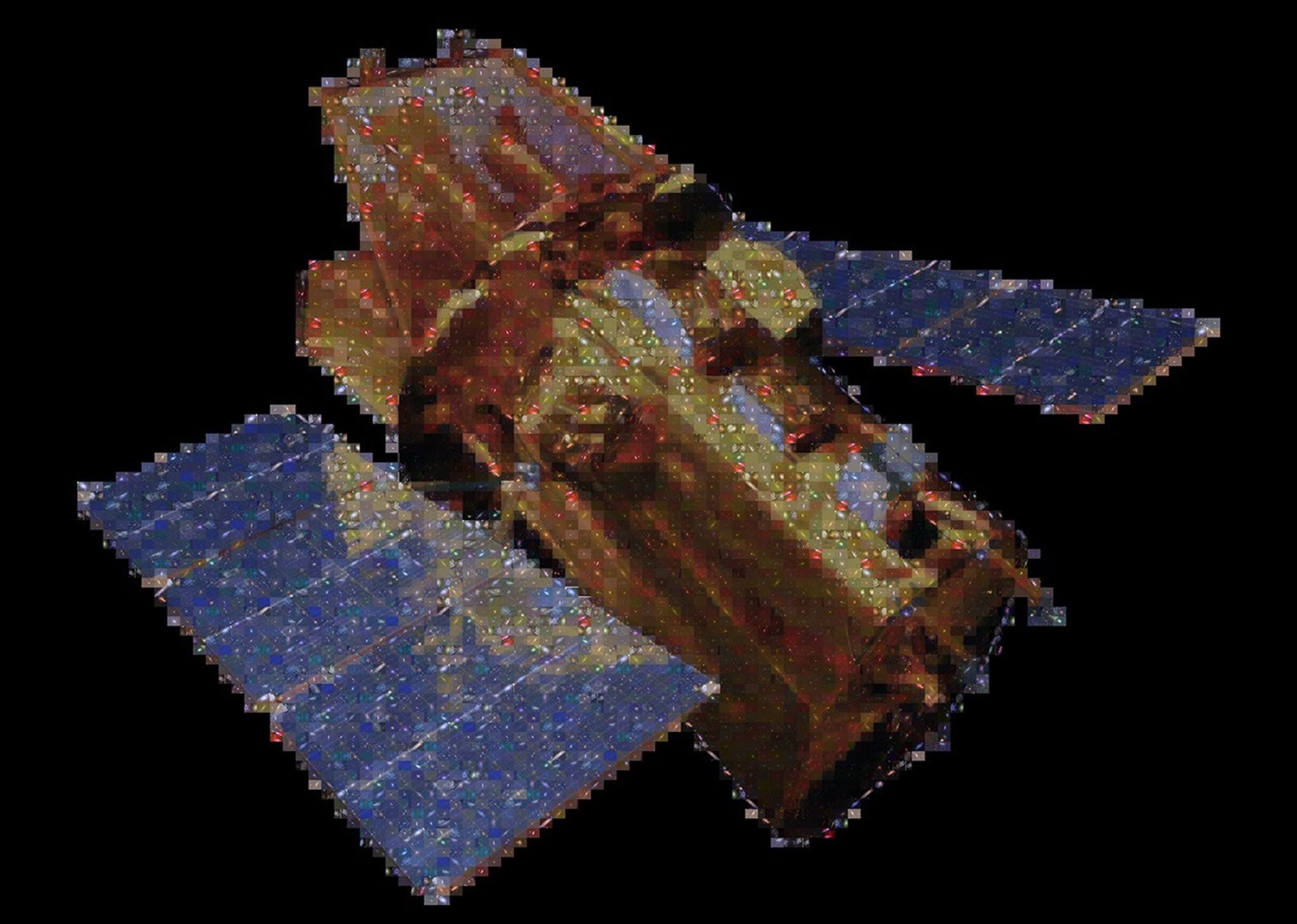
APOD Science APOD APOD: 2026 November 6 – A… Today’s APOD Archive Submissions Index Search Calendar RSS Education About Discuss APOD Astronomy Picture of the Day Discover the cosmo...
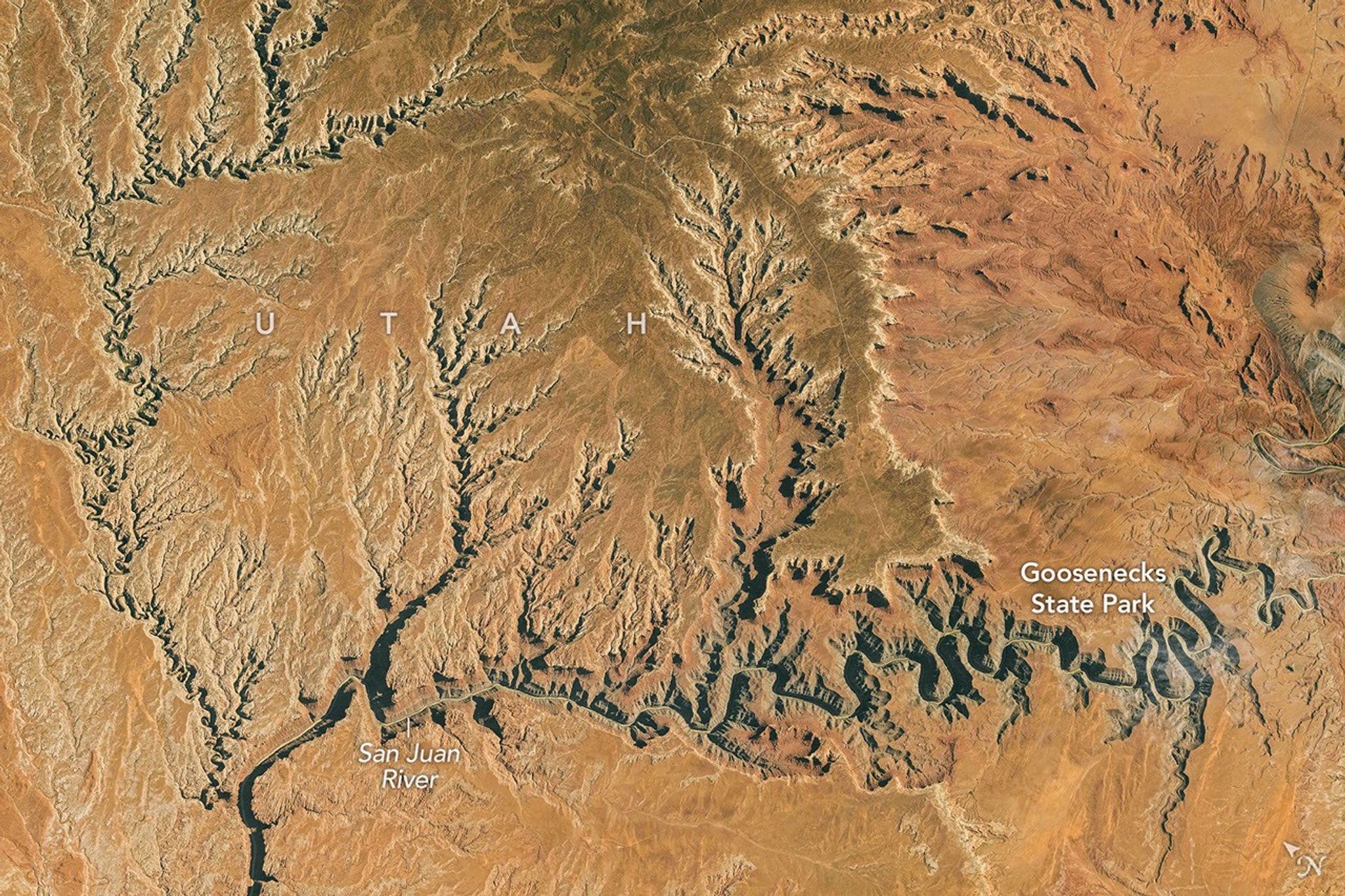
The San Juan River has carved deep, improbably curvy meanders into the desert landscape.
A new ultraviolet space telescope will fill a gap in the spectrum, bearing witness to cosmic cataclysms and probing the evolution of the early universe. The post NASA Moves Ahead w...
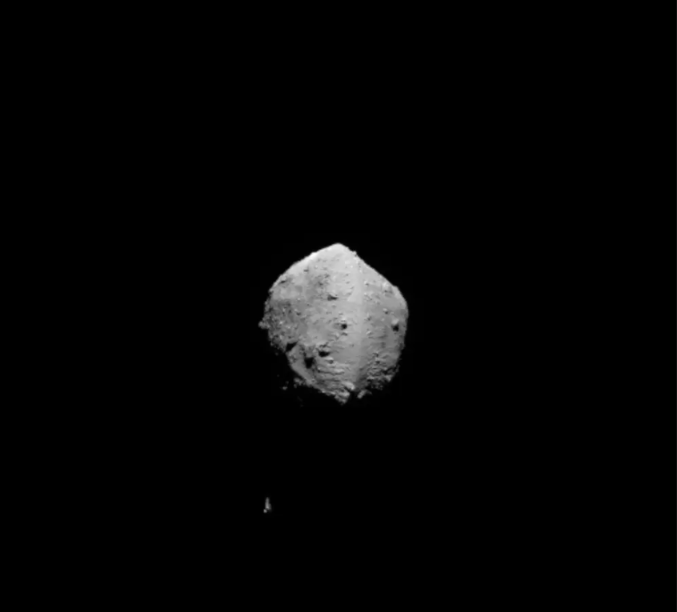
The Hera mission just got its 1st closeup view of Didymos and its little moonlet Dimorphos. Soon it will begin investigating the aftermath of the DART impact. The post Hera mission...
City lights from the midwestern United States to the East Coast sparkle across the landscape a couple of hours before sunrise.
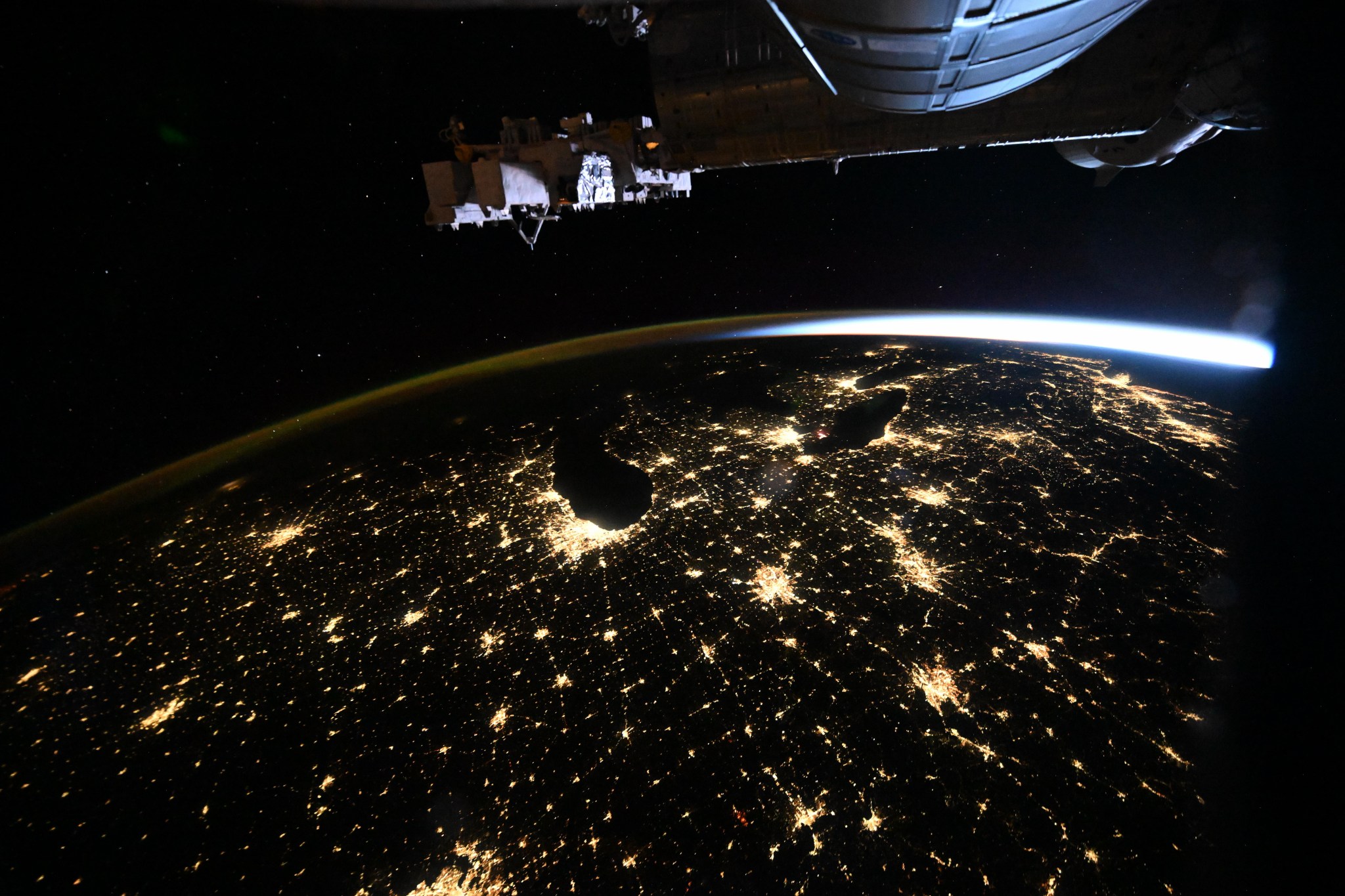
City lights from the Midwestern United States to the East Coast sparkle across the landscape a couple of hours before sunrise on Oct. 18, 2026. Major urban areas visible in the pho...

Students in Florida will hear from NASA astronauts Jessica Watkins and Luke Delaney as they answer prerecorded STEM questions while aboard the International Space Station. The Eart...
Hamilton’s code sent humans to the Moon with a “defensive programming” mindset. The post Margaret Hamilton, Apollo Software Engineer (1936 – 2026) appeared first on Sky & Telescope...
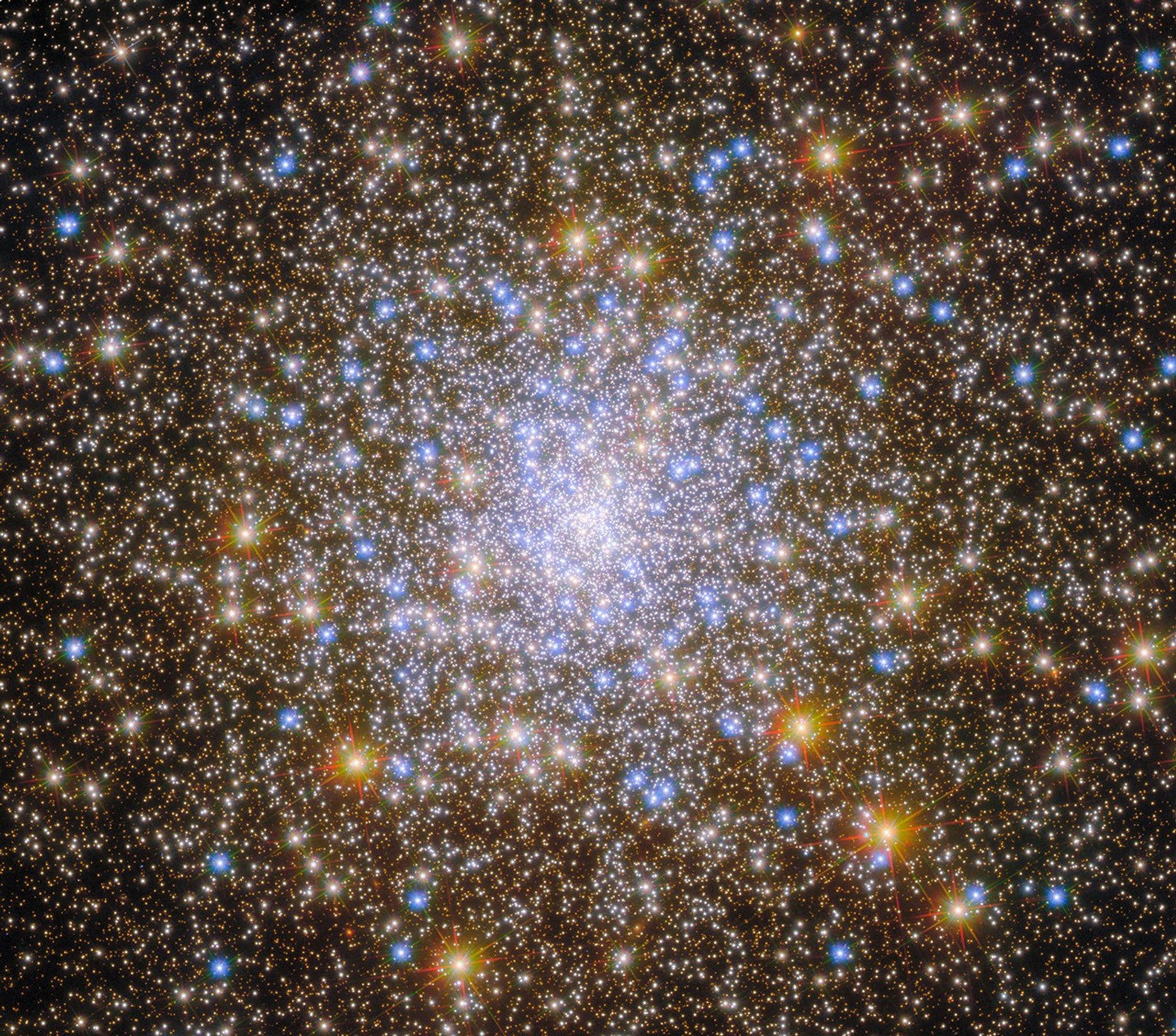
This Hubble image features the sparkling collection of stars named Messier 30 (M30), also called NGC 7099.
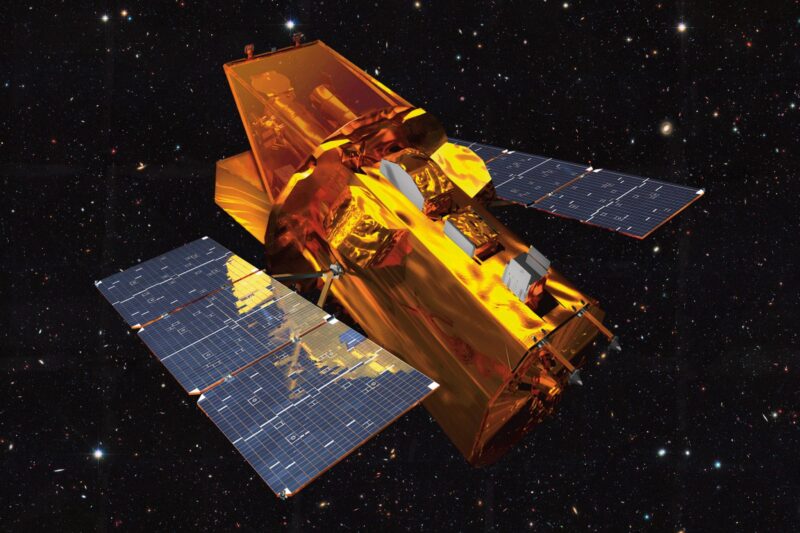
The Swift spacecraft fell back to Earth as a fiery streak of light yesterday. See videos here of the blazing reentry into Earth's atmosphere. The post Swift spacecraft fell back to...
On November 7 and 9, 2026, the twin probes of the ESCAPADE mission — first Blue and then Gold — will perform flybys of Earth on the way to Mars. The post ESCAPADE mission to fly pa...
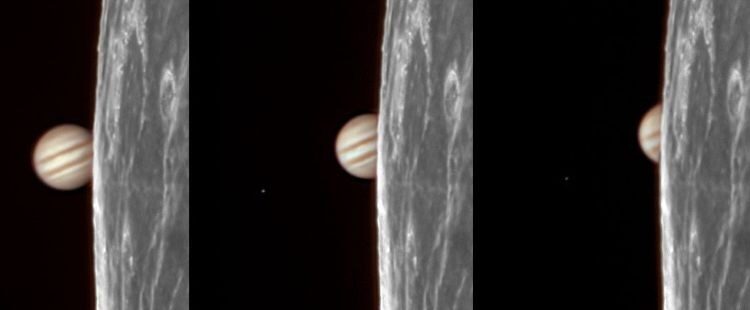
The moon and Jupiter played hide-and-seek on November 3, 2026. And they'll pair up again at the end of the month! Find out more. The post The moon and Jupiter play hide-and-seek. M...
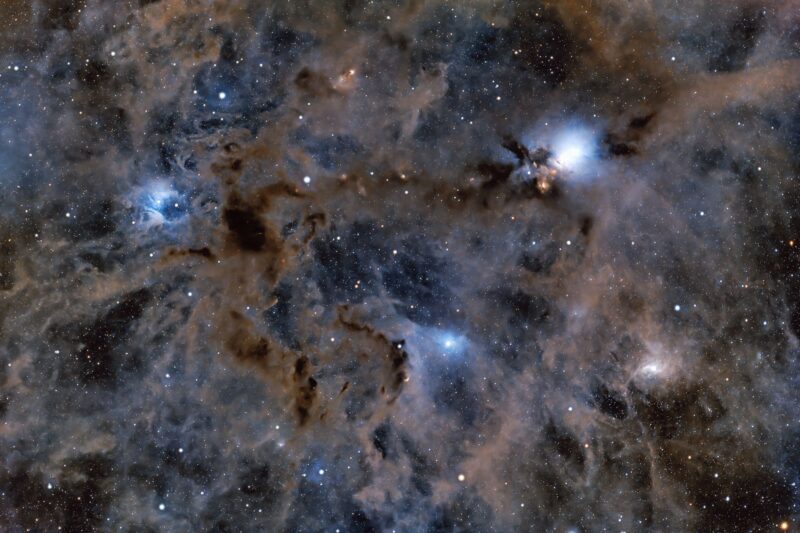
Dark nebulae are clouds of gas and dust in space. They block the light of stars shining behind them. Often, they're locations where new stars are forming. The post Dark nebulae are...
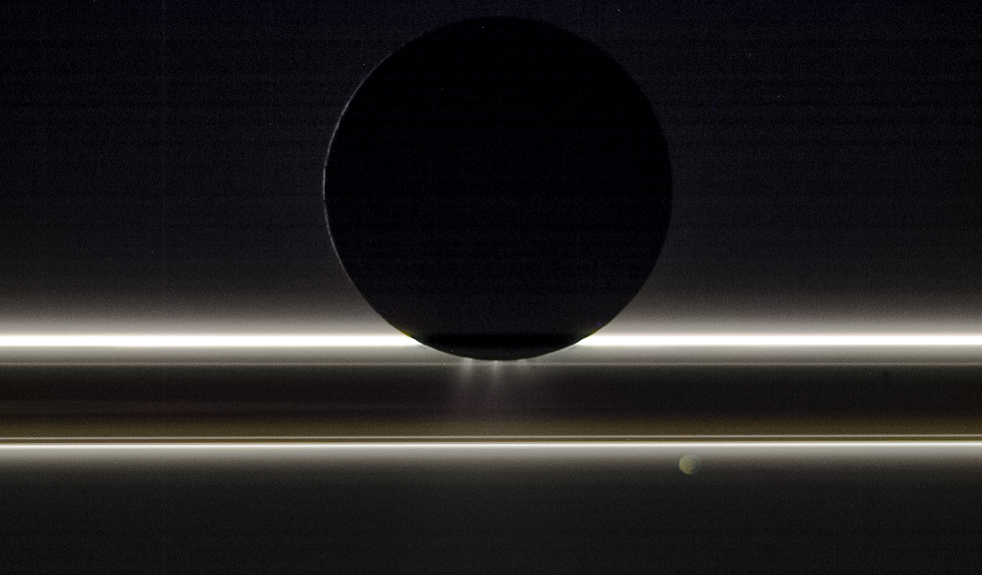
APOD Science APOD APOD: 2026 November 5 –… Today’s APOD Archive Submissions Index Search Calendar RSS Education About Discuss APOD Astronomy Picture of the Day Discover the cosmos!...

The third-largest island in the Mediterranean Sea exposes an ancient piece of the ocean floor and hosts a clowder of cats.
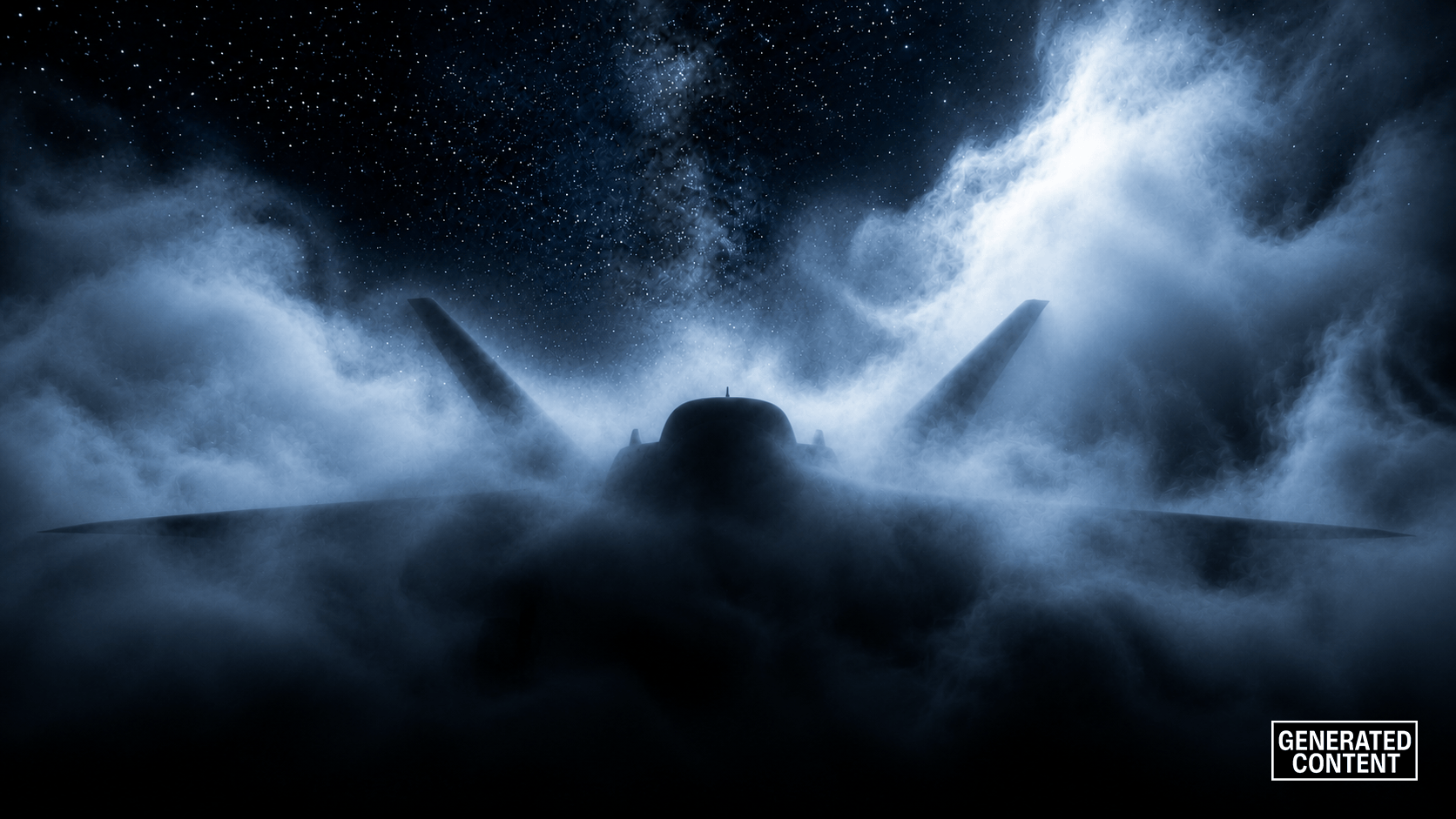
On Wednesday, NASA unveiled its newest experimental aircraft, the X-70 Fractal, during the UP.Summit at the agency’s Kennedy Space Center in Florida. This high-performance, highly...
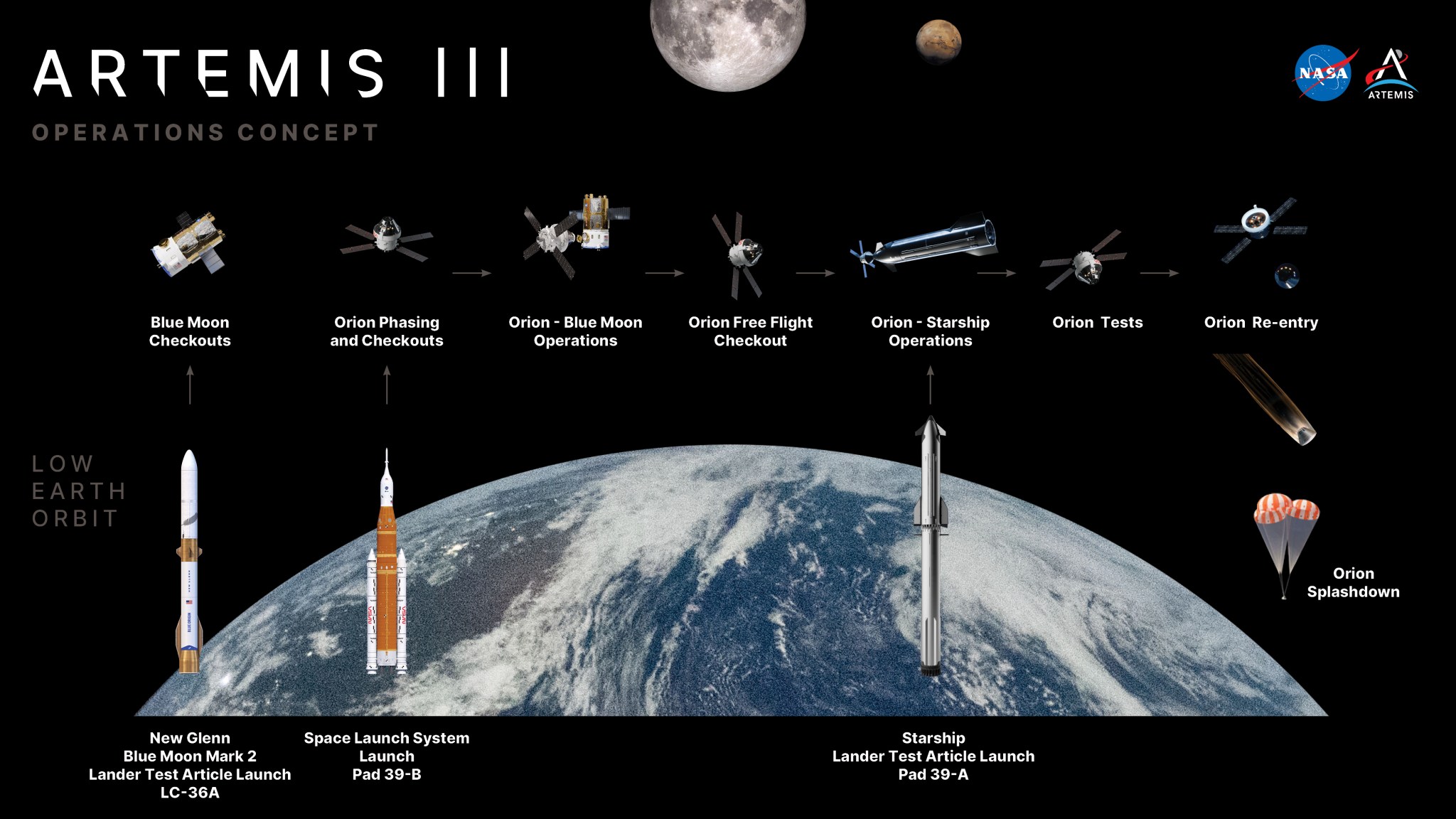
In an update on Oct. 23, NASA Administrator Jared Isaacman and other agency leaders shared the agency’s path to returning Americans to the lunar surface in 2028. Agency leadership...

This is an image from NASA’s Hubble Space Telescope of NGC 4449, one of the dwarf galaxies in the Galaxies Losing Oxygen via Winds (GLOW) study. Researchers found that dwarf galaxi...
Asteroids that come too close to the Sun don't last long. Now astronomers think they might know why. The post Sunlight Pulverizes Asteroids That Come Too Close appeared first on Sk...

CSA (Canadian Space Agency) astronaut and Expedition 75 flight engineer Joshua Kutryk is pictured during a spacewalk with his spacesuit's helmet visor down to install a new roll-ou...
Orbiter and rover data are showing that water may have flowed more recently on the Martian surface, maybe even into the present era. The post Mars May Have Been Warmer and Wetter f...
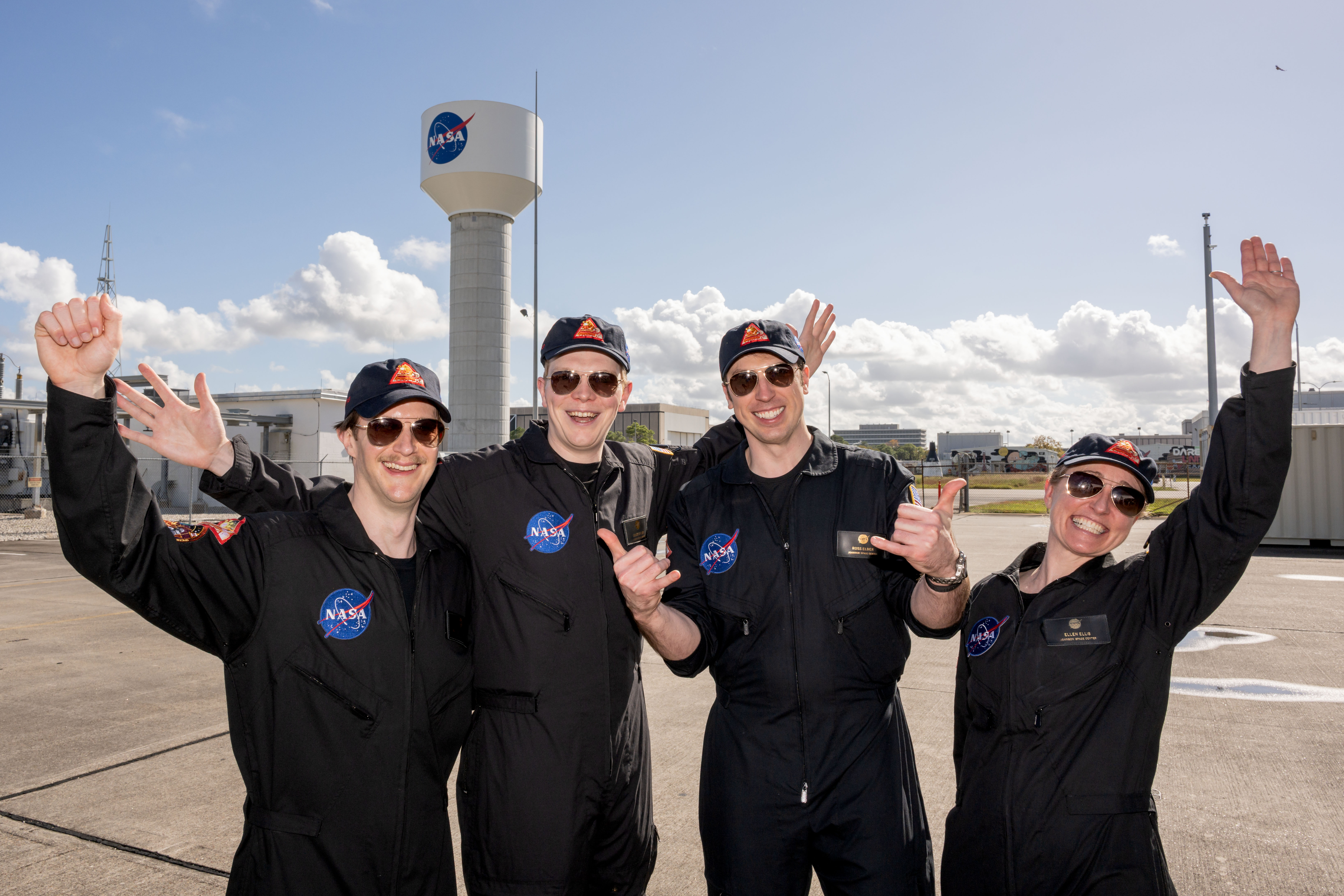
The four-member Crew Health and Performance Exploration Analog (CHAPEA) crew poses outside for the first time in more than a year following the end of their simulated Mars journey...
The California demonstration by Reflect Orbital used spotlights to imitate sunlight-reflecting satellites. The post A Satellite Company Tests “Sunlight As A Service” — Without Astr...
NASA’s Swift mission will soon meet a fiery end, after more than two decades of ground-breaking science. The post Swift Observatory Ends Mission, Reenters Earth's Atmosphere appear...
Cast your vote for the best of space exploration and science in 2026!
This episode takes you on a guided audio tour of the stars and planets that you’ll see overhead during November. During the last half of this month, all five bright planets can be...
The Planetary Society is seeking a Community Organizer to establish and scale the Society's grassroots advocacy program.
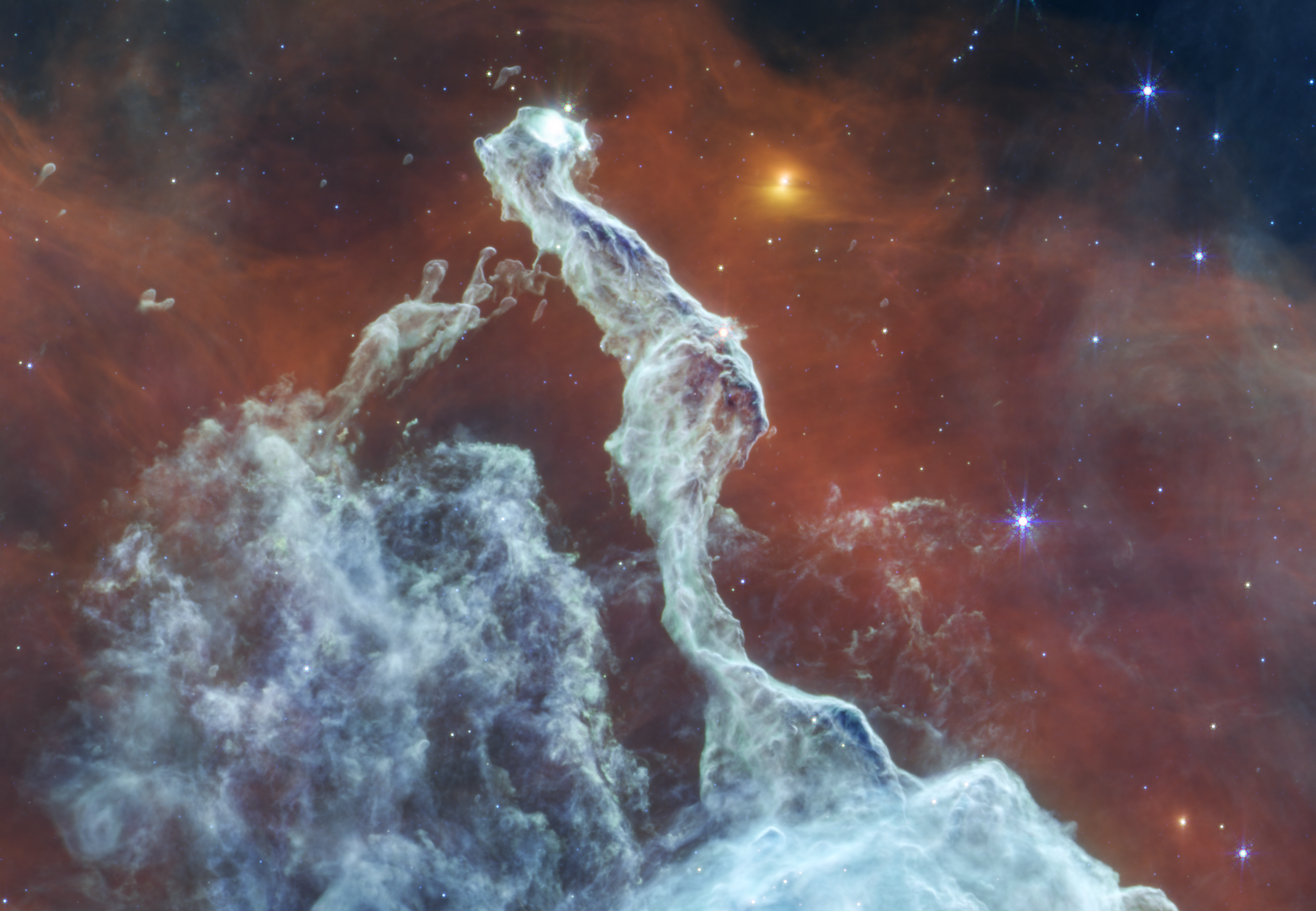
NASA’s James Webb Space Telescope’s mid-infrared view reveals intricate structures within the Cat's Head Nebula, traced by the emission from warm dust and carbon-based molecules ex...
Perseverance’s record-breaking drive distance is in the spotlight. Plus, Hera is getting close enough to spy its two tiny targets.
Astronomers have identified more than 1,000 outer solar system objects in data from the Rubin Observatory — including a possible new dwarf planet. The post Possible New Dwarf Plane...
Saturn glows for Halloween, the Summer Triangle effect continues, the Taurids tease, and the last-quarter Moon passes Mars, Jupiter, and Regulus in early dawn. The post This Week's...

When a rose-colored meteorite was found in the Sahara Desert in 2022, no one knew how old it was or where it came from. Not until NASA-funded scientists age-dated its minerals did...
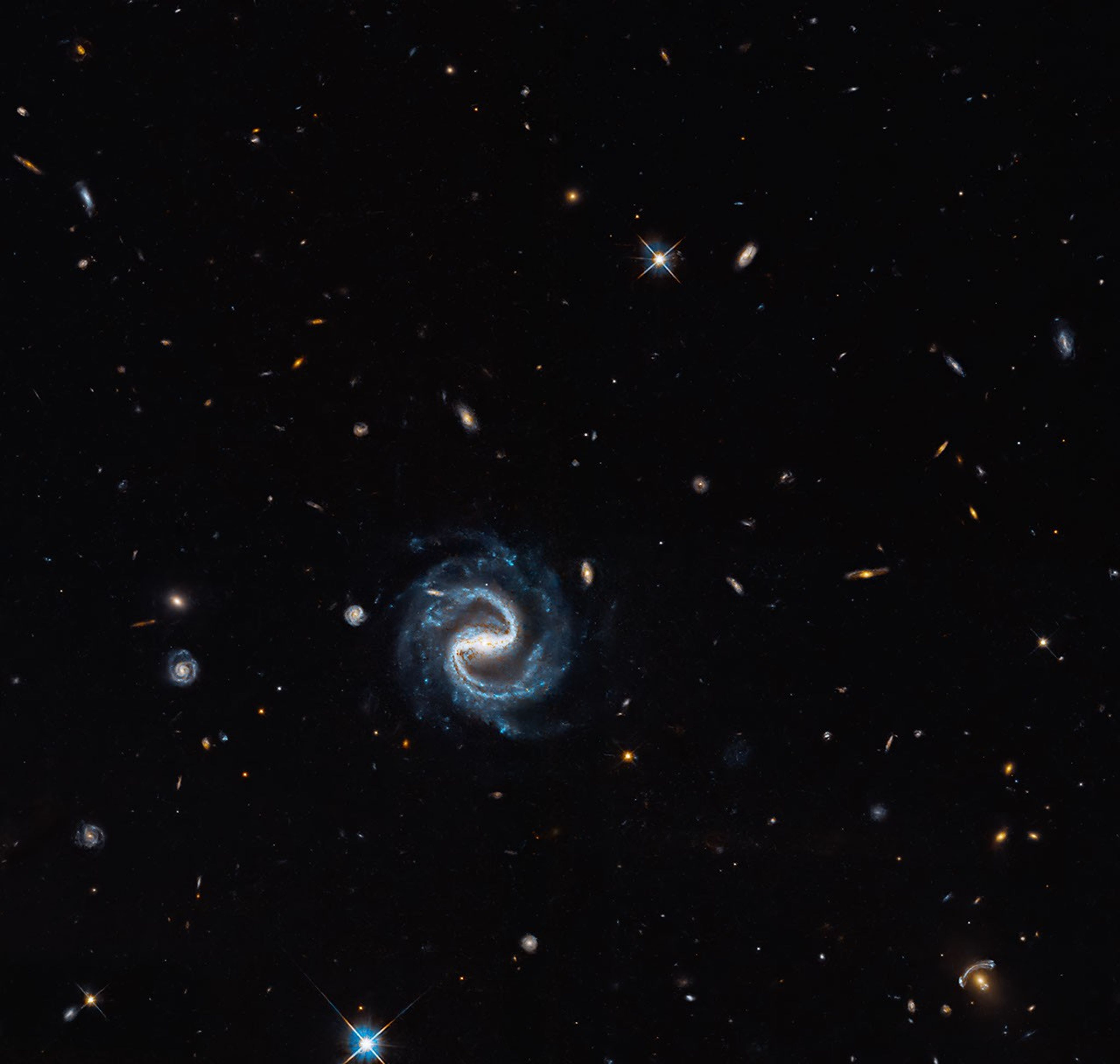
A sinuous spiral galaxy (center) appears in the same field of view as a vivid gravitational lens (right corner) in this Hubble image.
The almost New Moon appears close to Venus in the early-morning sky. Some observers will even see an occultation.
What’s up in the sky in November, including Mars and Jupiter cozying up, a scattering of shooting stars, a recognizable constellation, and a Supermoon.

Artemis II Commander Reid Wiseman has been named Caltech associate vice president and deputy director of NASA’s Jet Propulsion Laboratory in Southern California. The emeritus astro...
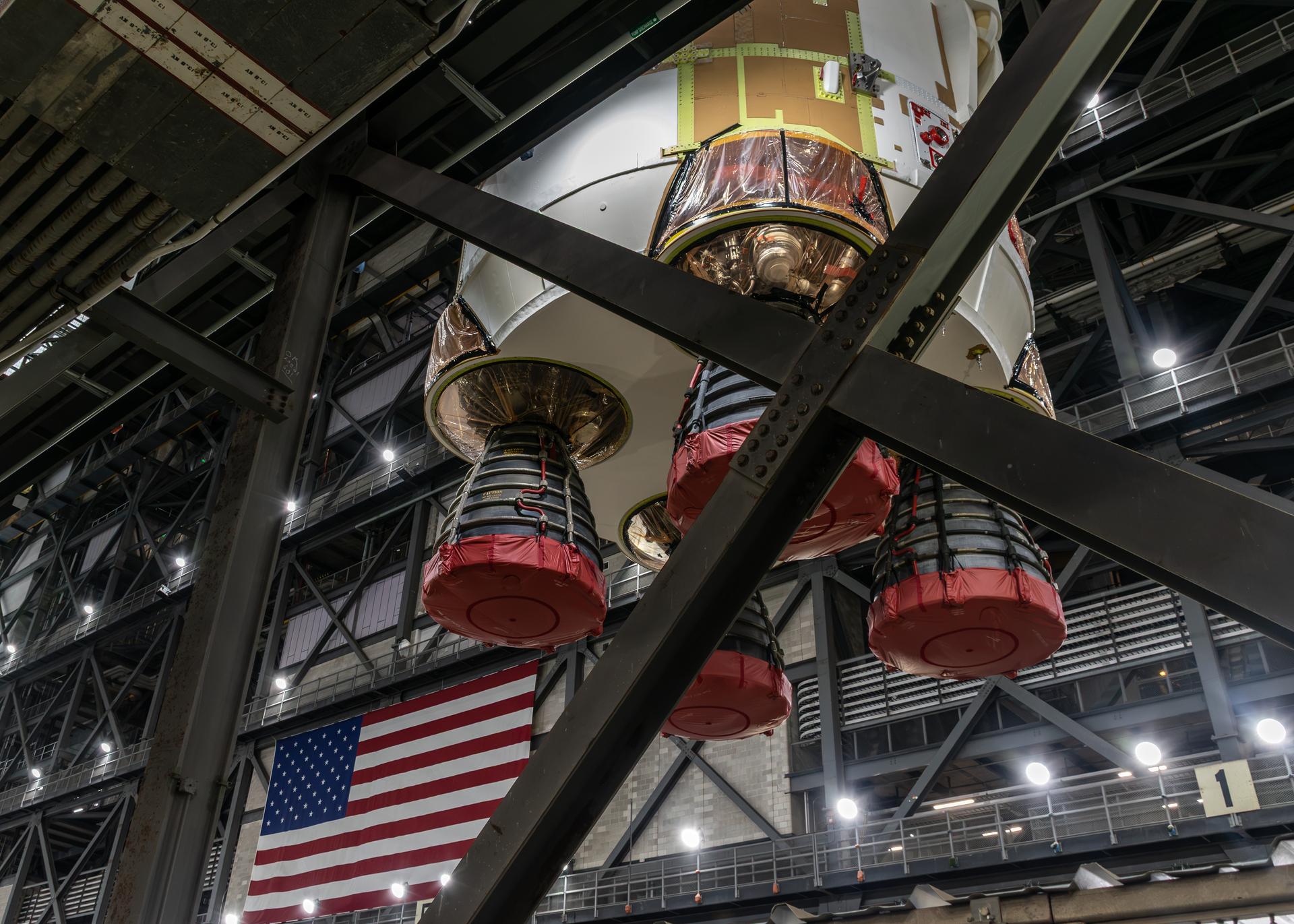
NASA’s Artemis III SLS (Space Launch System) core stage is integrated alongside the twin solid rocket boosters on Oct. 28 inside the Vehicle Assembly Building’s High Bay 3 at NASA’...
The Perseverance rover's "Singita" sample may be more than 3.9 billion years old.
From the Scream Nebula to bobbing for planets in daylight, Halloween offers an ample bag of treats. The post Have a Screamingly Good Halloween Week appeared first on Sky & Telescop...
In this Picture of the Month from the NASA/ESA James Webb Space Telescope, we visit a turbulent cauldron of star formation to see what is brewing inside dense clumps of gas.
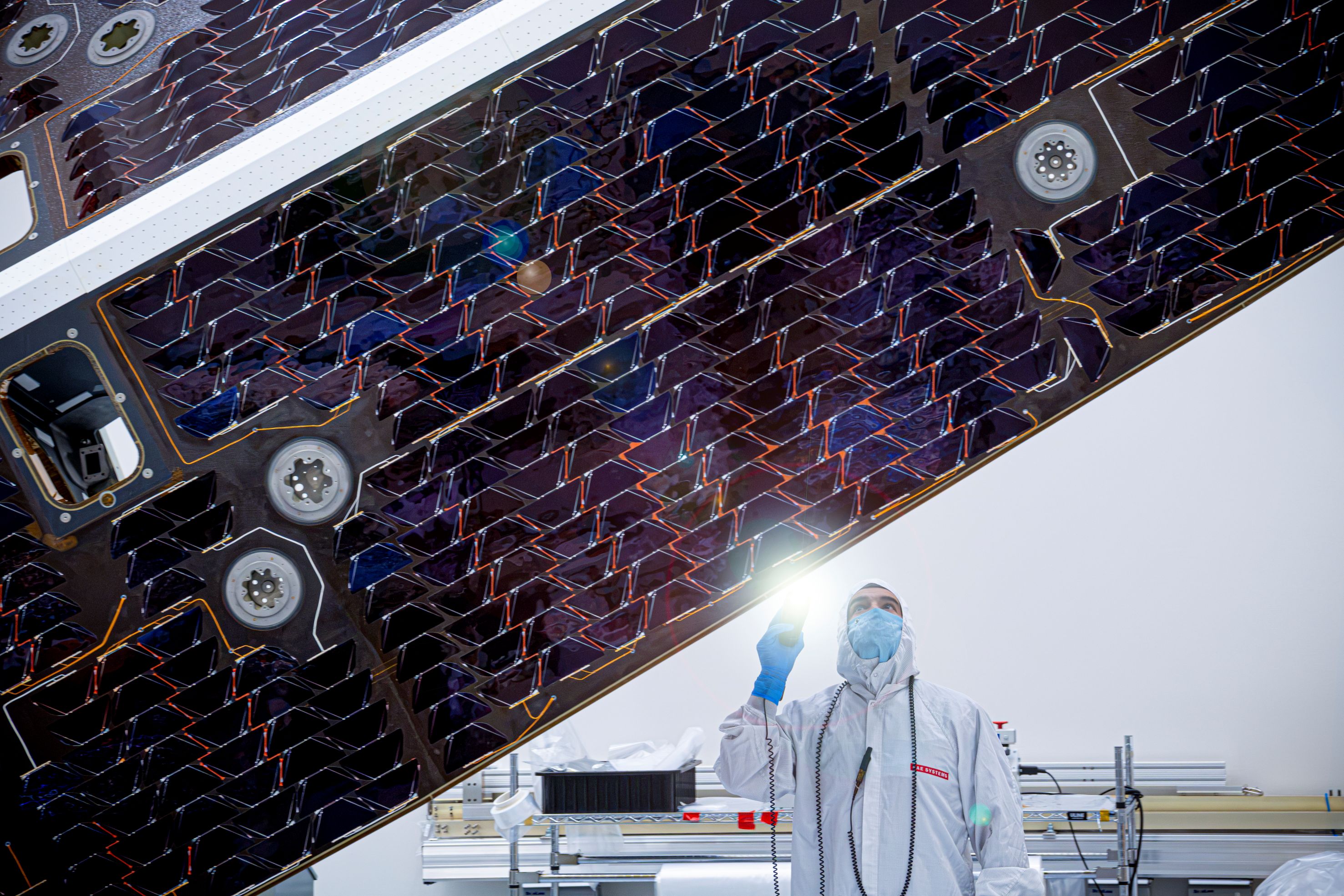
The large sunshade of NASA’s Near-Earth Object Surveyor mission is inspected by a technician at BAE Systems Space & Mission Systems in Boulder, Colorado, in late July.
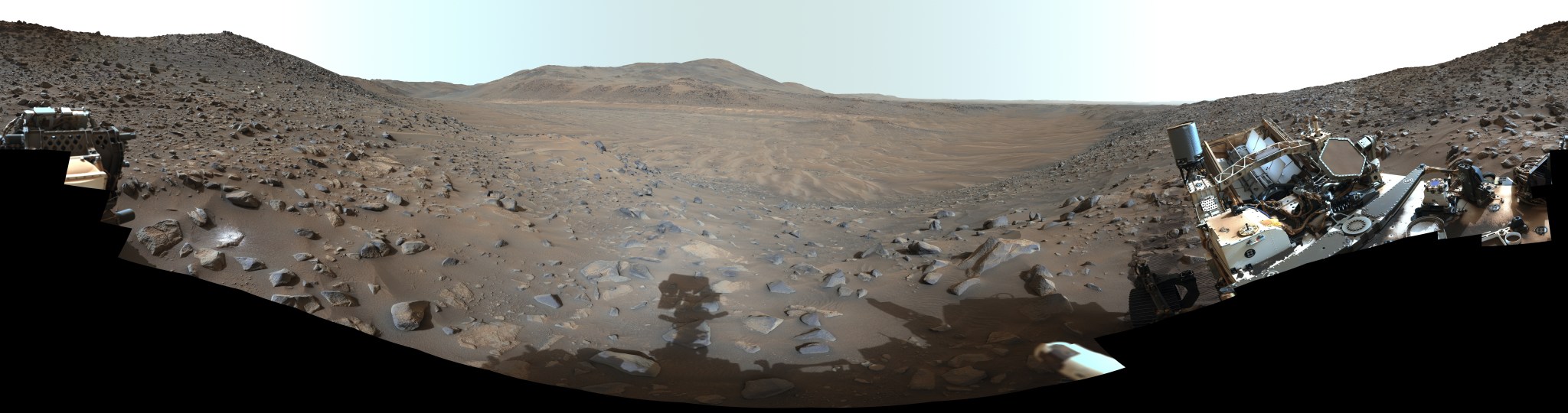
Over 1,645 Martian days, NASA’s Perseverance Mars rover measured the fine and ultrafine Martian dust particles found clinging to samples of spacesuit materials that are carried abo...
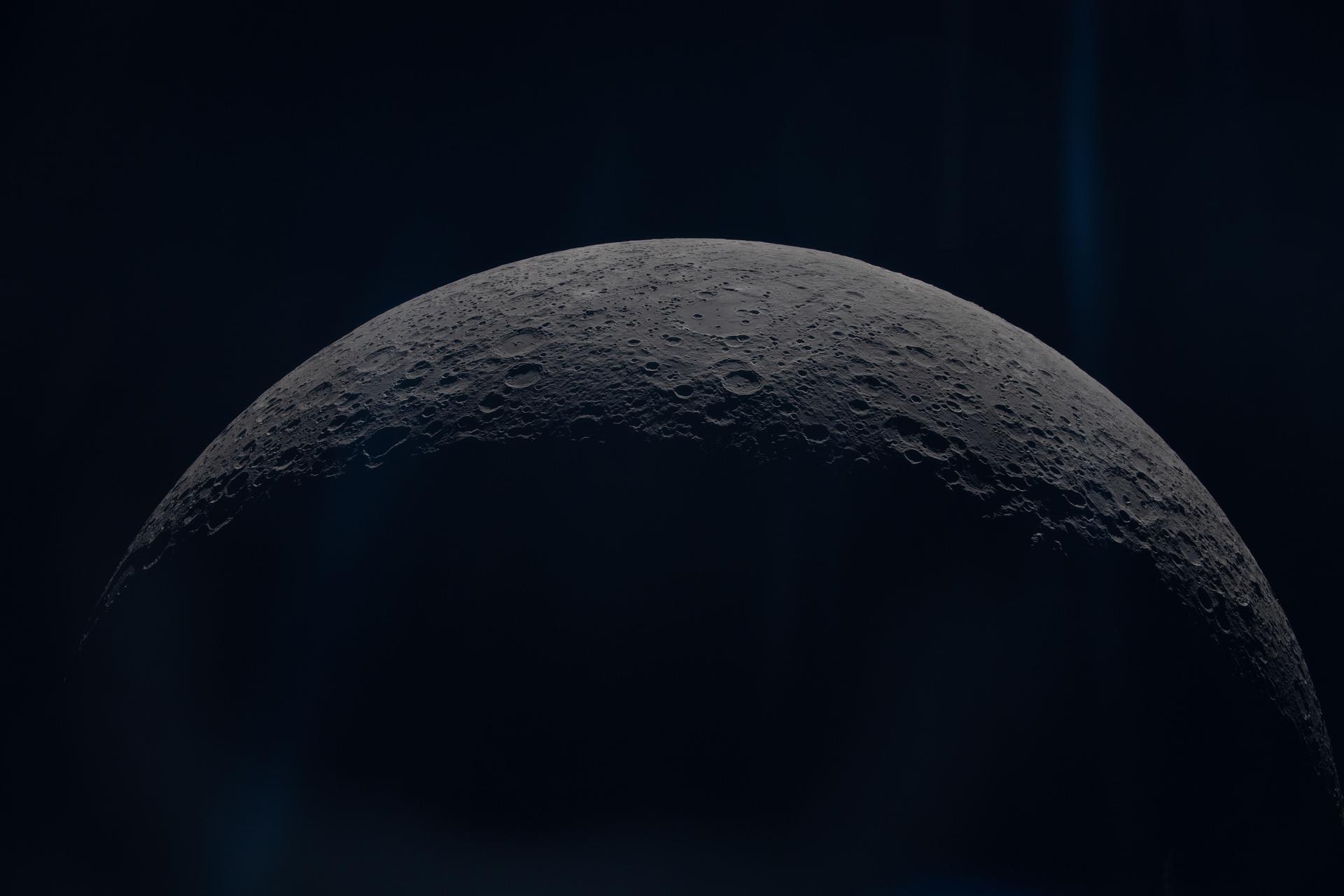
Members of the media are invited to tour a new lunar landing simulator at NASA’s Ames Research Center in California's Silicon Valley on Thursday, Oct. 29, and Friday, Oct. 30.
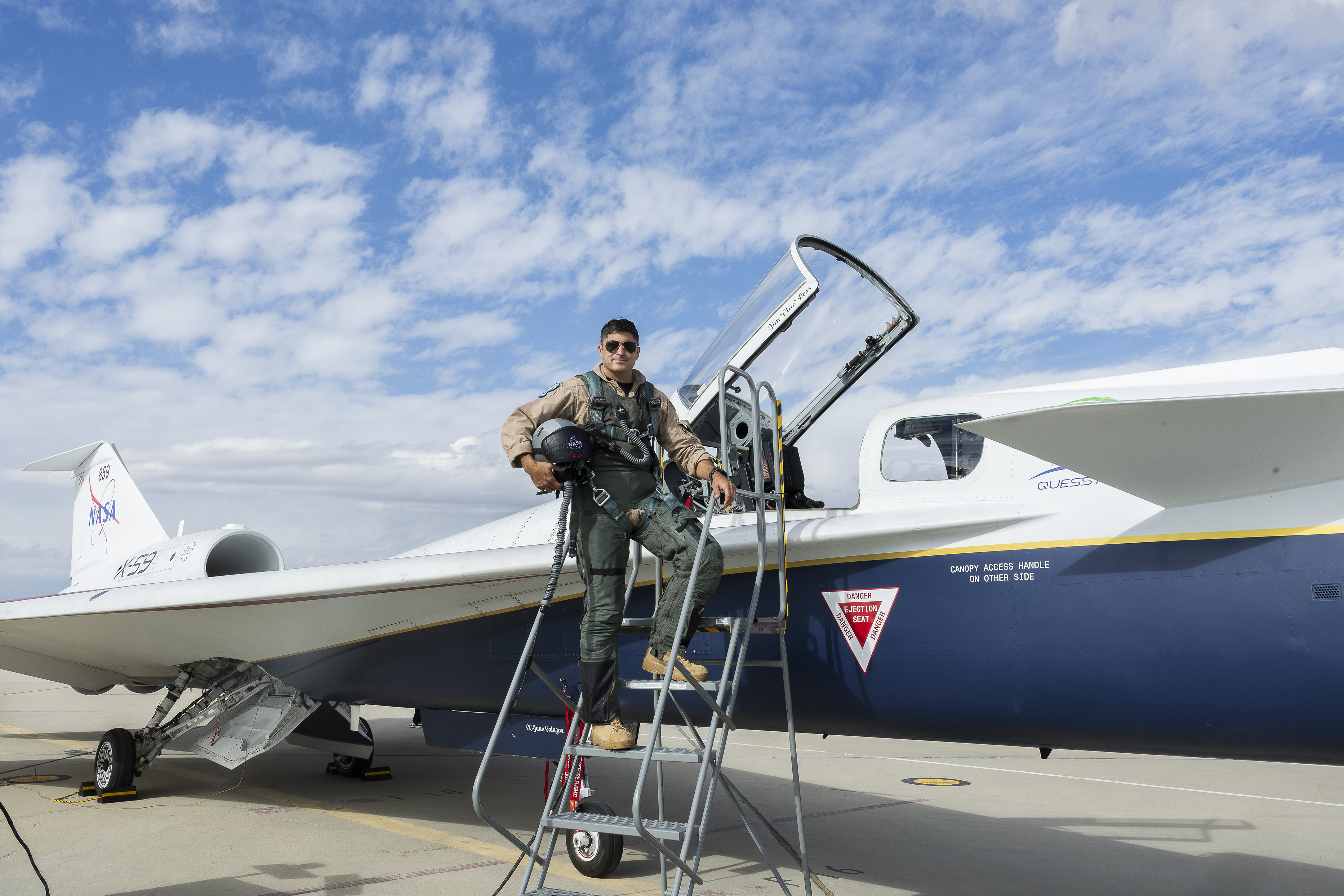
NASA test pilot Mike Lippert poses for a photo ahead of his first time flying the agency's X-59 quiet supersonic research aircraft on Oct. 21, 2026.
As NASA returns humans to the lunar surface and establishes a long-term presence on our closest celestial neighbor, the agency and commercial human landing system providers Blue Or...
Before astronauts return to the lunar surface, NASA will first conduct one of the most ambitious and complex test missions in the agency’s history. Launching in 2027, Artemis III w...
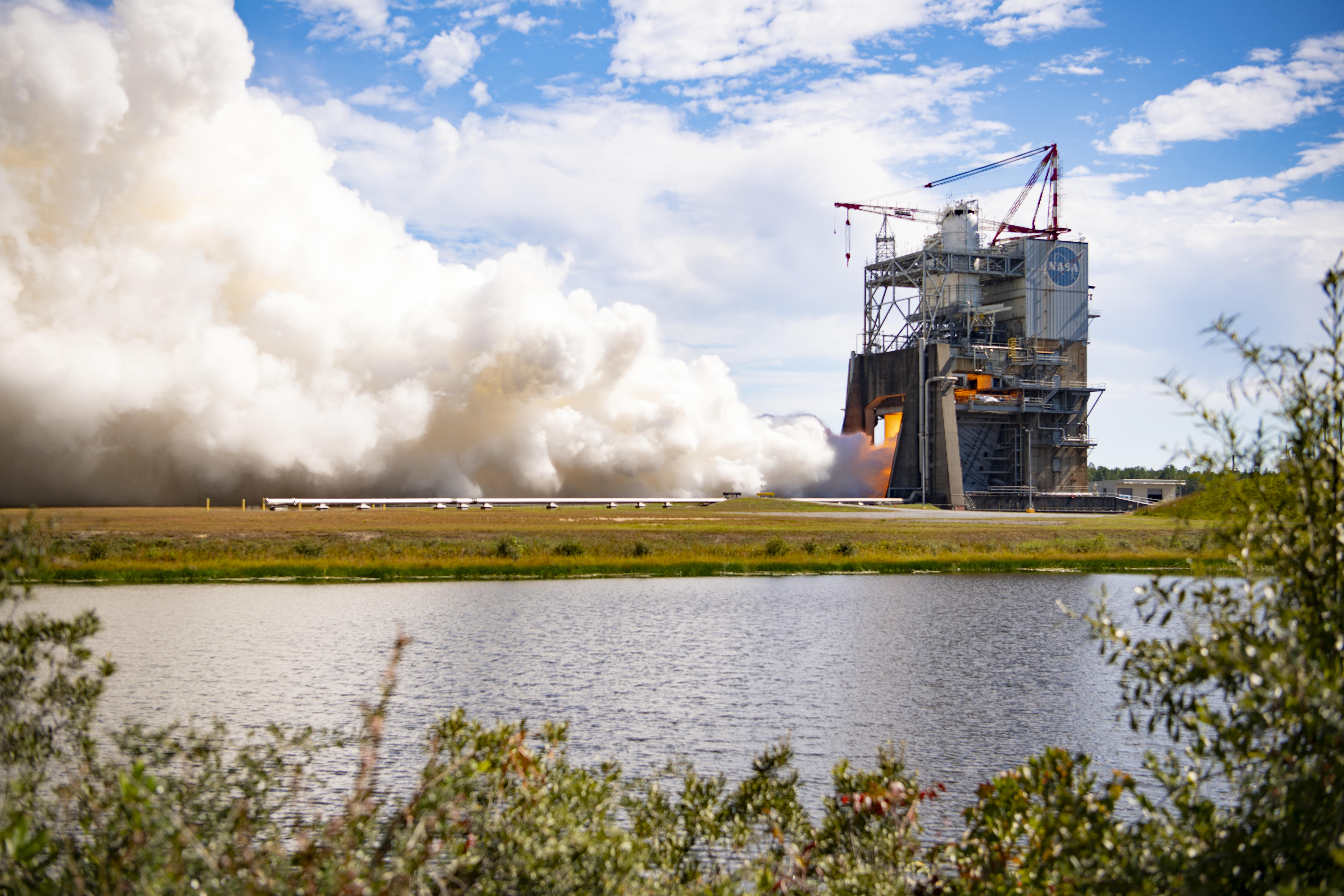
Teams at NASA’s Stennis Space Center near Bay St. Louis, Mississippi tested RS-25 engine No. 10001 on Oct. 21, 2026.
A mission to a Martian moon launches, what the upcoming U.S. elections will mean for NASA, and new possible landing sites for Artemis.
The Moon lights the way to Saturn 3,300 times farther behind it. Then the Moon befriends the Pleiades. The Ghost of Summer Suns arrives for Halloween. The Dipper lies low. The post...
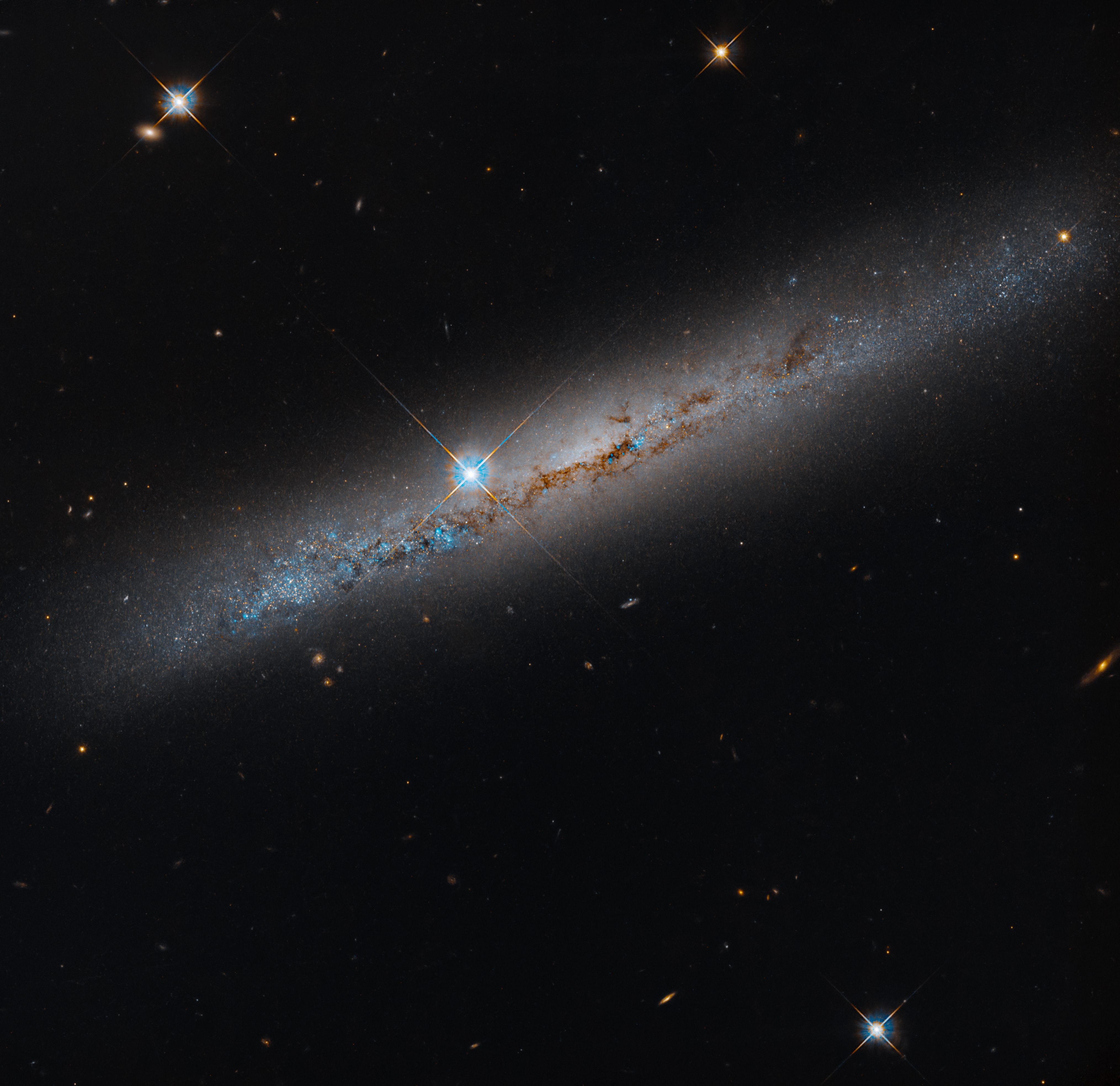
This NASA Hubble Space Telescope image features the edge-on, intermediate spiral galaxy NGC 1827, located roughly 37 million light-years away in the constellation Columba, the Dove...
A space advocate’s guide to the U.S. midterm elections

Interstellar probes. Lunar drones. Helicopters on Mars. When a group of Caltech graduate students and enthusiasts began conducting rocket-propulsion tests in Pasadena’s Arroyo Seco...
If ever there were a case for playing the long game, space exploration is it.
A guide to accessing the Member Community website and app.
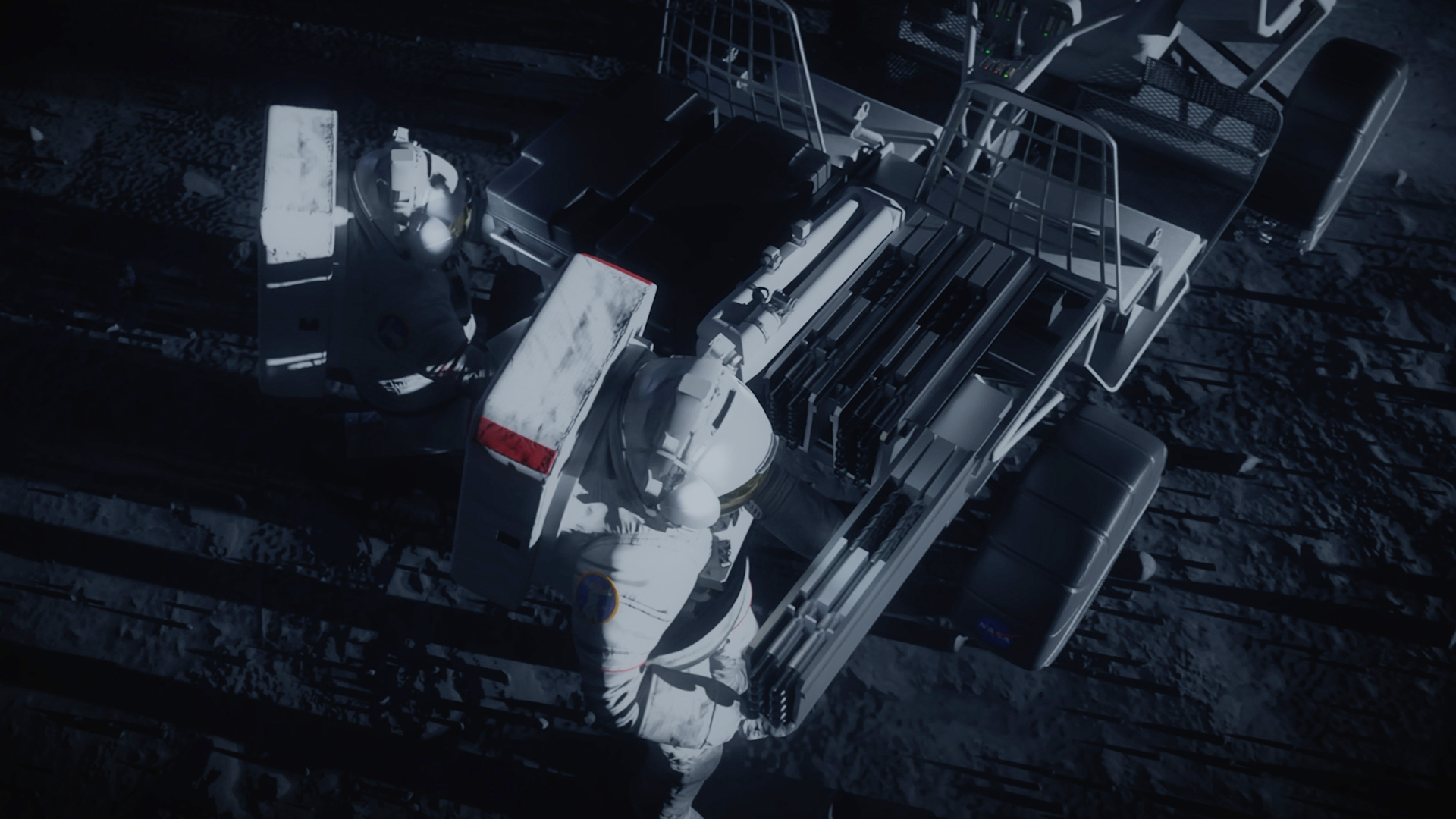
As NASA works to build the Moon Base, crewed and robotic lunar rovers will play a crucial role during early development through technology demonstrations, astronaut transport, terr...
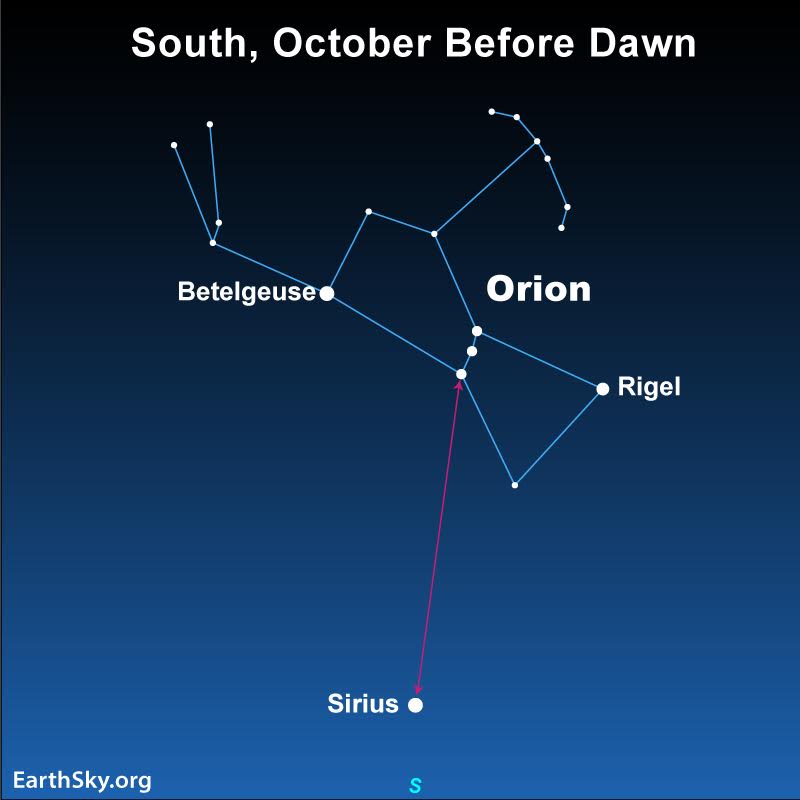
Out late at night or before dawn? Look for the sky's brightest star, Sirius, a brilliant beauty. You'll know it's Sirius if you see Orion's Belt pointing to it. The post See bright...

Shortly after NASA’s Artemis II mission splashed down on April 10, 2026, U.S. Navy divers captured underwater imagery of the Orion spacecraft’s heat shield. In the months after, th...
Old stars may offer a rainbow of color, while a Mars rover sets a new record, and a JWST image gets an artistic makeover.

As the supercooled propellant flowed into the core stage, and NASA’s SLS (Space Launch System) rocket roared to life, Allison Mjoen and her family watched with awe and pride. Mjoen...
Tonight the Moon's in the Teapot. High in early dawn, Mars stands over Jupiter while Regulus twinkles below. The post This Week's Sky at a Glance, October 16 – 25 appeared first on...
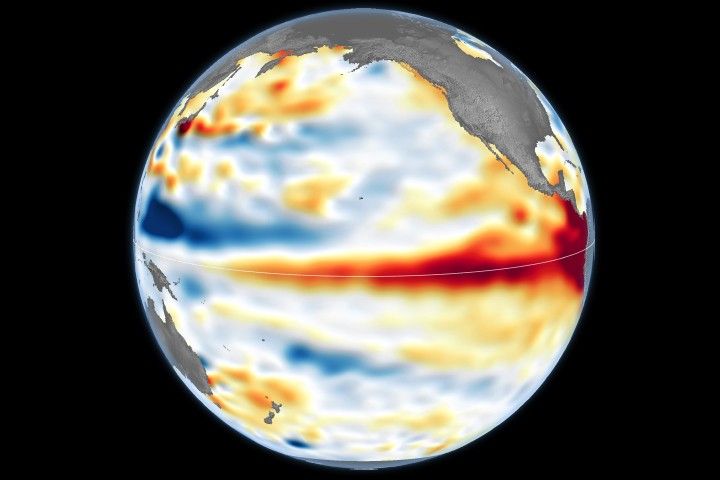
A phenomenon rarer than a solar eclipse and more powerful than any single storm system is unfolding this fall, and NASA is tracking it closely. El Niño is a natural climate pattern...
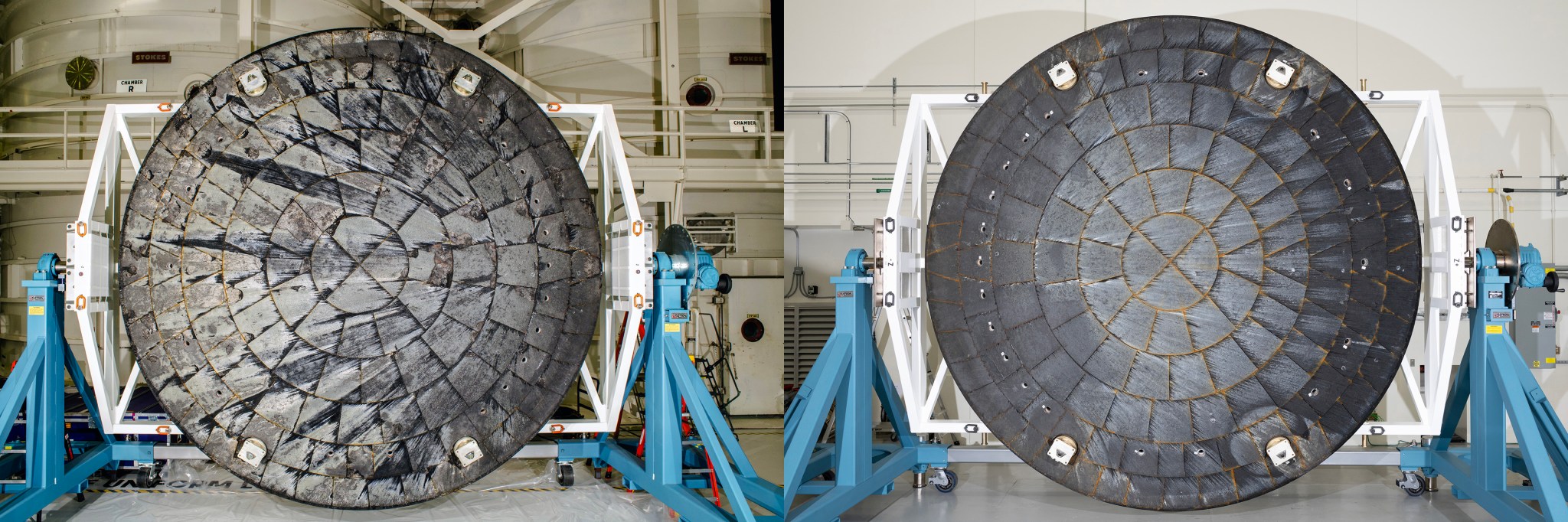
NASA’s Artemis II mission sent four astronauts around the Moon and brought them safely back to Earth, laying a foundation for crewed flights to the Moon’s surface. Additional engin...
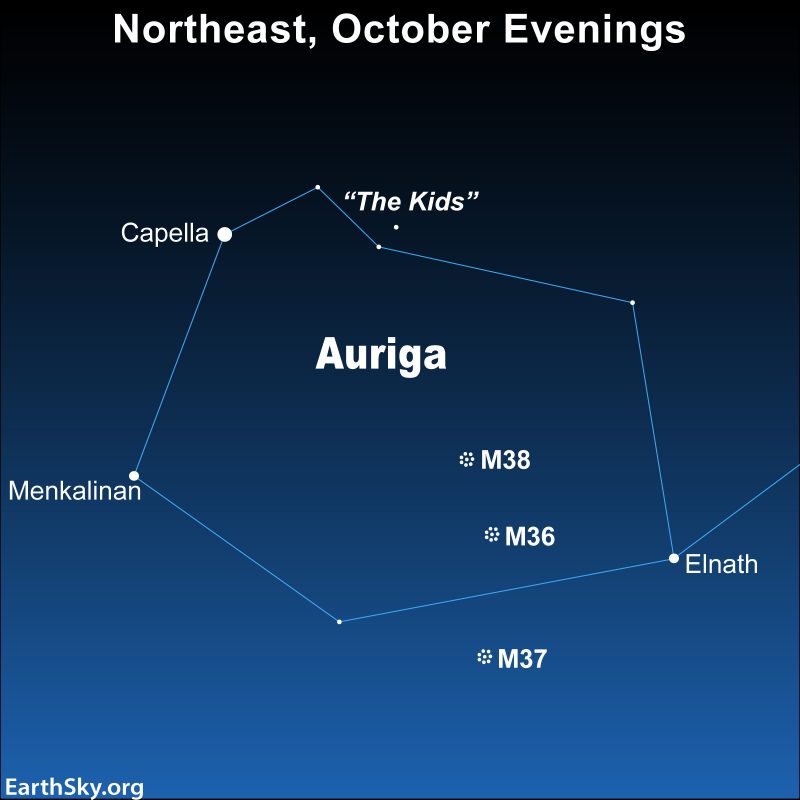
If you're in Earth's Northern Hemisphere and see a bright star twinkling with red, green and blue flashes low in the northeast on October evenings, it's probably Capella. See chart...
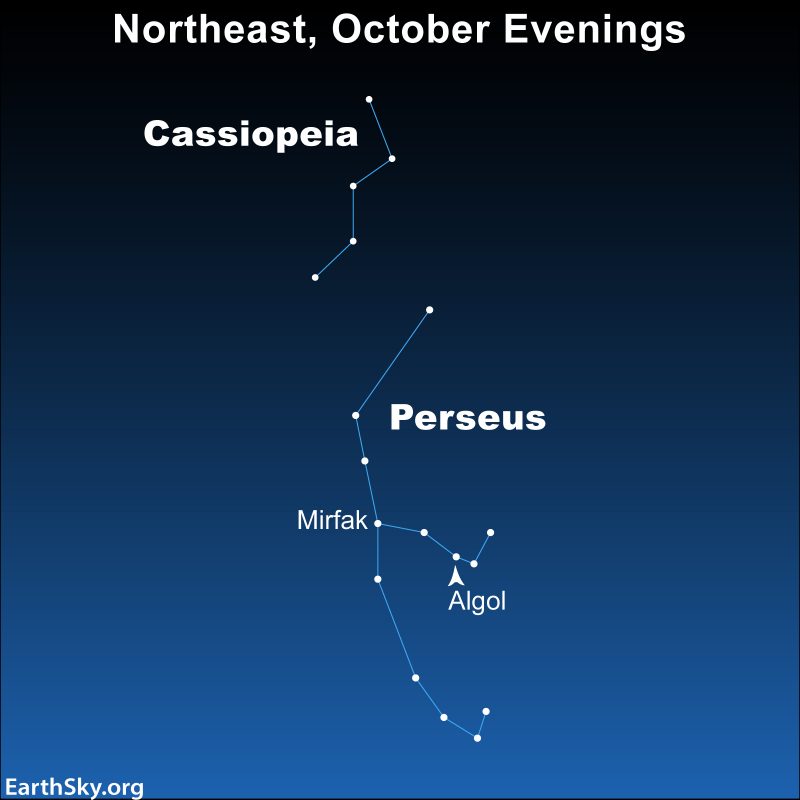
The star name Algol comes from the Arabic for "head of the demon." Come to know this star, and point it out to your friends this Halloween. The post Perseus the Hero and a Demon St...
The Moon bugs out just in time to enjoy the peak of the Orionids, which trace their origin to Halley's Comet. The post Rise Early on October 22nd for the Orionid Meteor Shower appe...
The first mission to land on a moon of Mars could launch as soon as Oct. 19, carrying with it a sample collection instrument that The Planetary Society helped develop.
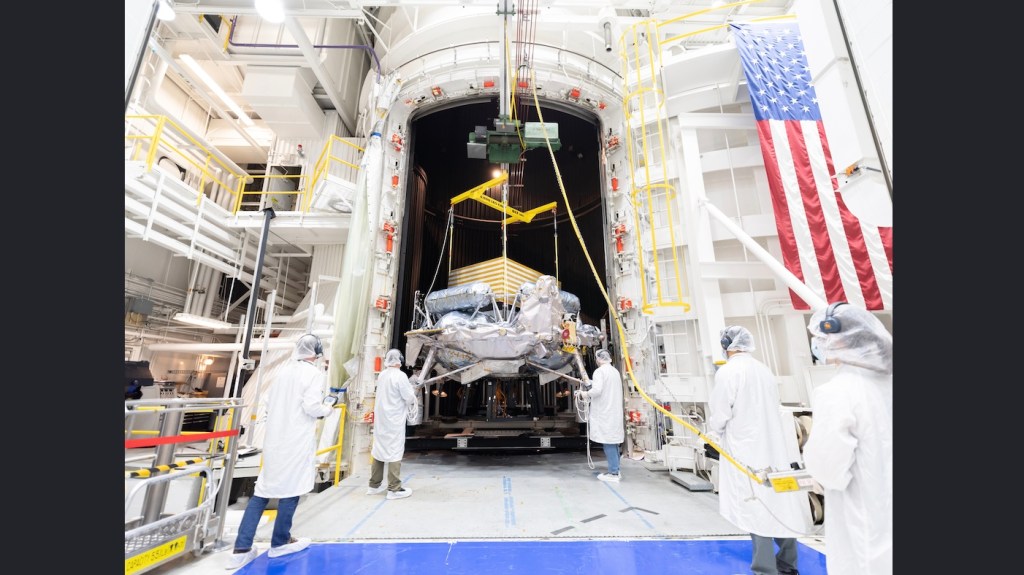
A commercial lander that will be at the forefront of NASA’s efforts to establish a Moon Base, humanity’s first lunar outpost, has passed a series of critical tests at the agency’s...
They might be replaced by leap hours—but that decision won’t need to be taken for many centuries...
A NASA spacecraft bakes in a furnace, a planet possibly forms from its dying star, and a cloud arises by a Mars volcano.